Opportunity
-
October Newsletter: Indigenous Peoples’ Day, Elections & Meeting Highlights
🔔 October’s newsletter is out – and happy Indigenous Peoples’ Day, everyone! • School board elections matter – and so do the policy issues ahead • Our 2026 state assessment outcomes are public • Student voice at work: Safe Routes To School near East Middle • Highlights for tonight’s school board meeting • Education athletics:…
-
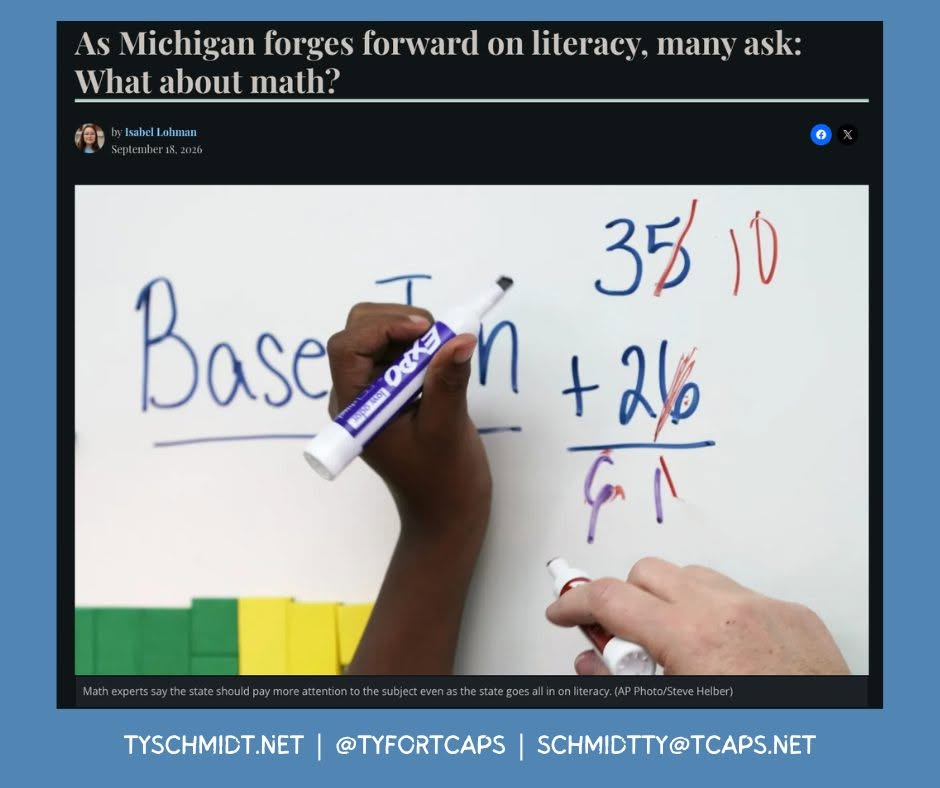
We can’t take our eyes off math
We know we have work to do in reading. And we also know we can’t take our eyes off math. This recent Bridge Michigan story highlights a conversation happening across the state: while Michigan has rightly focused significant attention on improving literacy, math outcomes remain a major challenge for students. Math outcomes are more than…
-
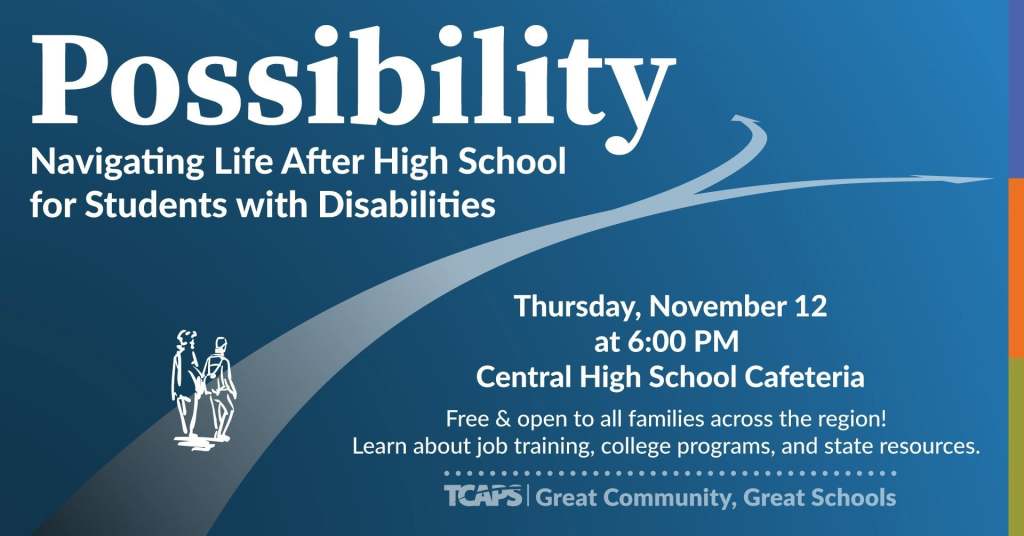
We don’t talk enough about special education
We don’t talk enough about special education. Yesterday’s Curriculum Committee meeting impressed me with the depth of work happening across the district to support students with disabilities, and I learned a lot. Special education is so much more than IEPs and specialized services. It’s about helping students learn, belong, build independence, and prepare for life…
-
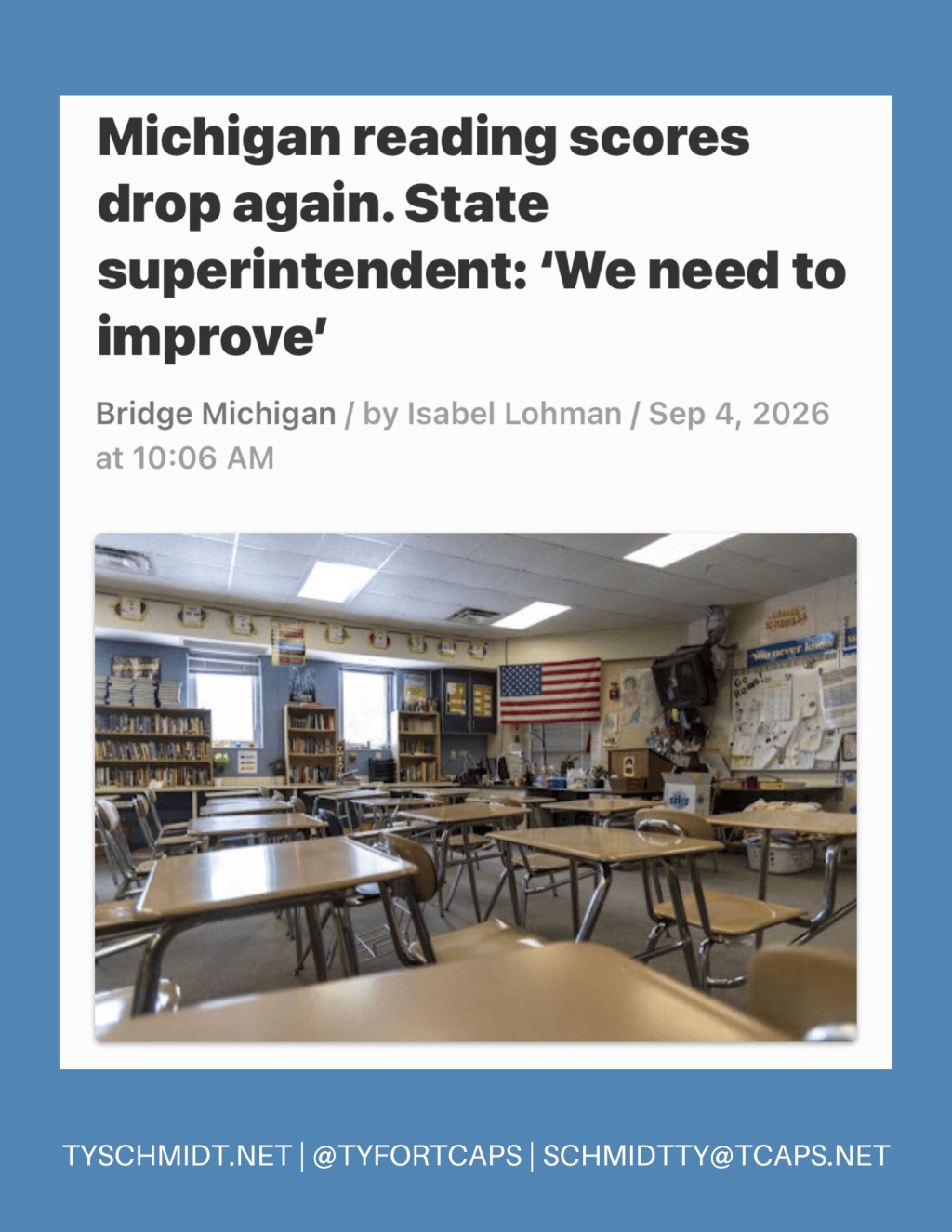
3rd Grade Reading, 4th & 8th Grade Math, 11th Grade College Readiness: A Sampling of TCAPS’ 2026 Student Achievement Outcomes
Our state assessment outcomes for 2025/26 were released to the public last week. Below you’ll find a snapshot of how our students performed in reading, math, and college readiness. I’ve included years of data for context (as well as outcomes for our economically disadvantaged kids and their peers)—and connected these outcomes to the goals in…
-
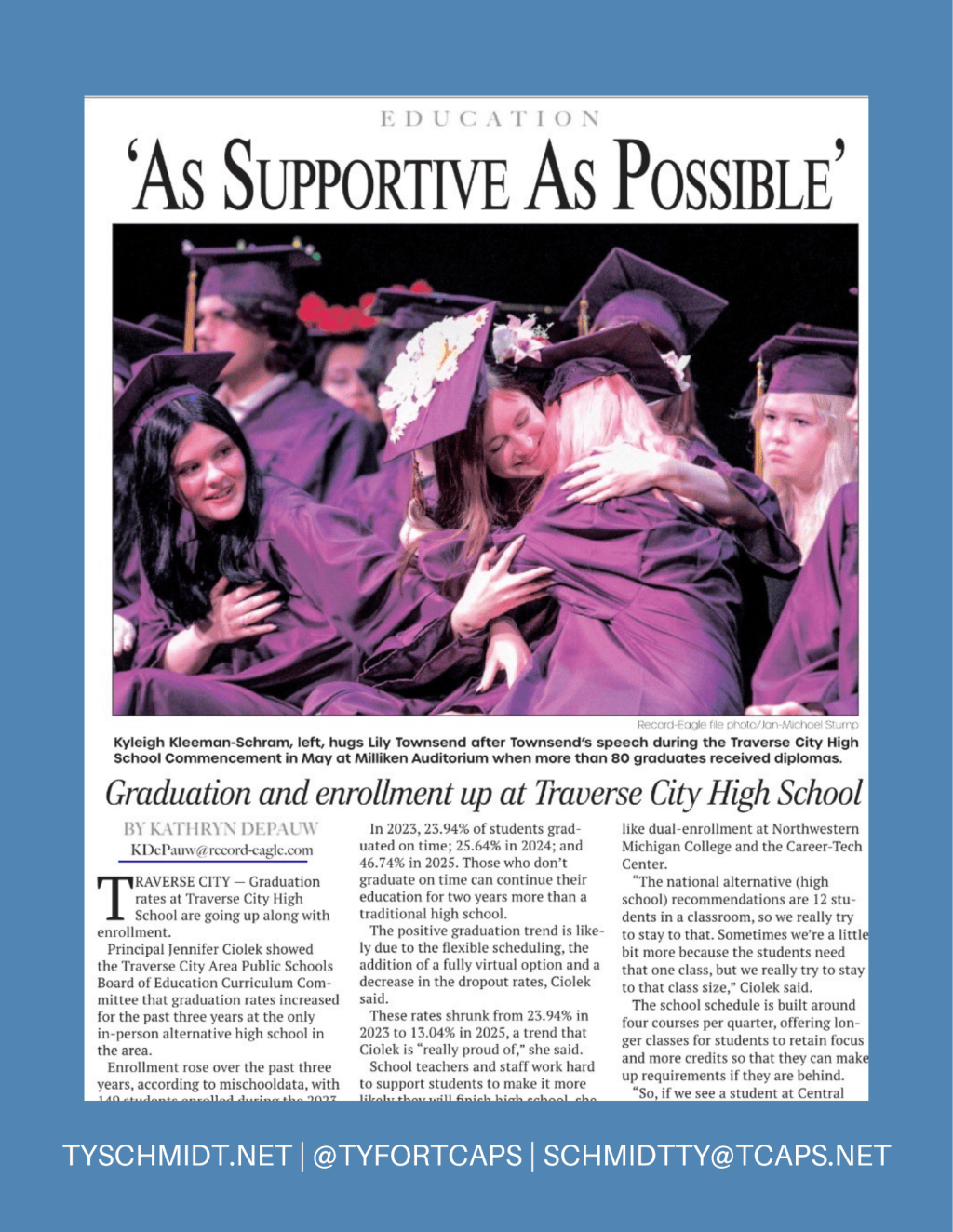
Supporting Our Mavericks
A really encouraging story in today’s Traverse City Record-Eagle about Traverse City High School. Over the past three years, the school’s on-time graduation rate has nearly doubled, from 23.9% in 2023 to 46.7% in 2025, while the dropout rate fell from 23.9% to 13.0%. That’s what can happen when we build pathways around students’ needs.…
-
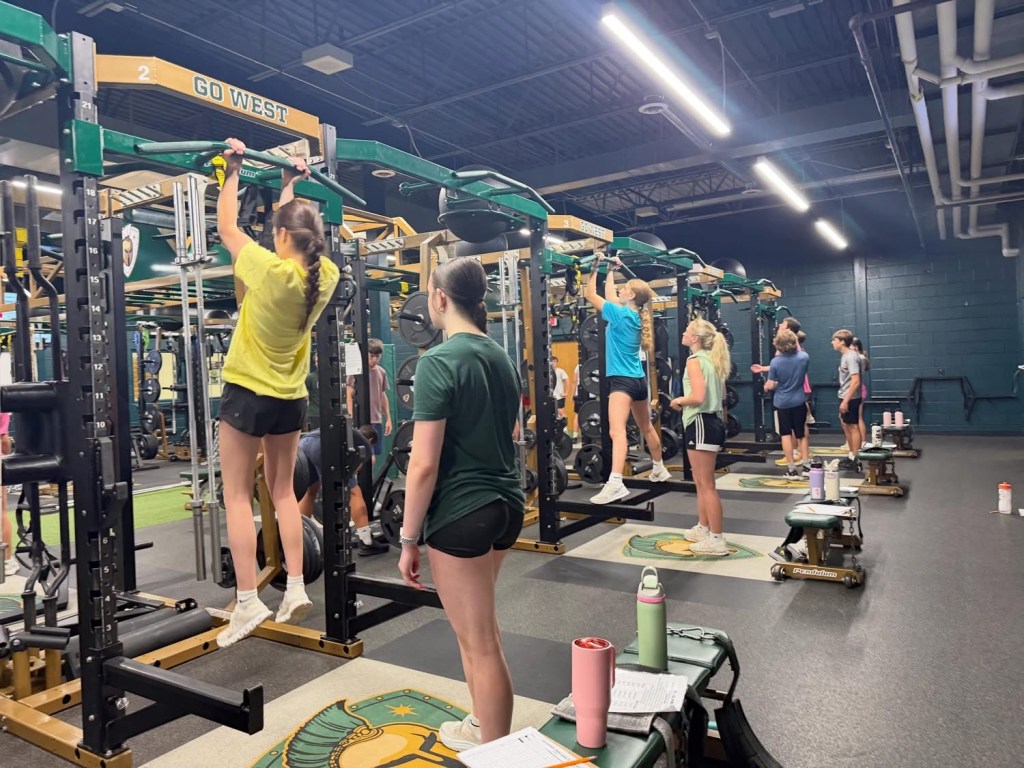
August Newsletter
August’s newsletter is out – have a great rest of the summer, everyone! • 2026 elementary school math/literacy outcomes • 2026 secondary school math/literacy outcomes • Looking beyond the classroom: Lessons from the Kids Count report • Community partnerships: Creating the conditions for student success • More than buildings: Investing in student success • How…
-
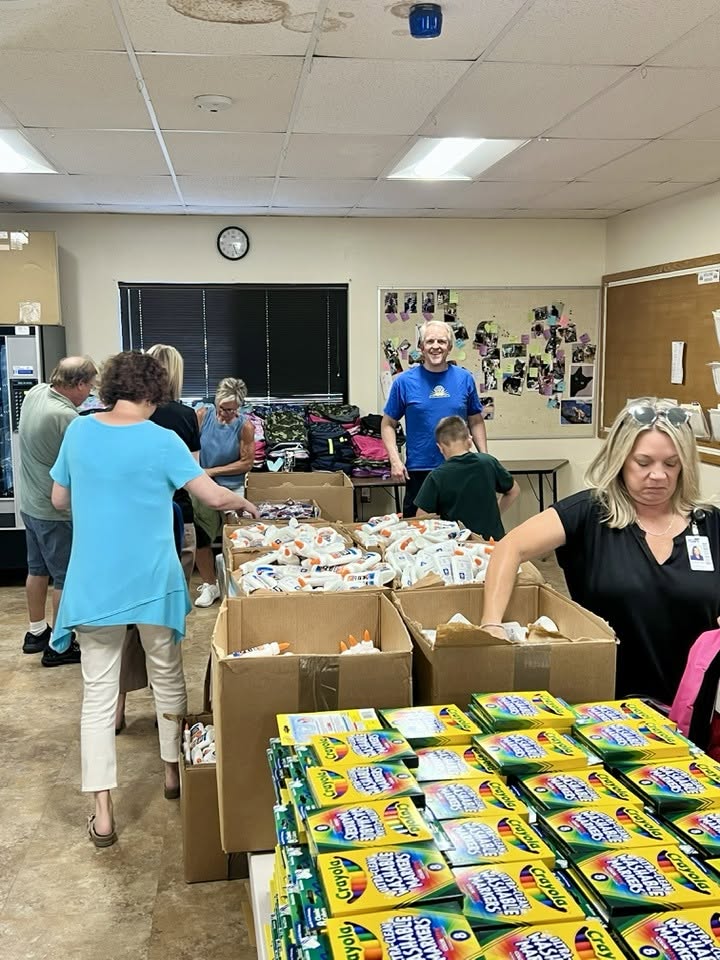
Keeping Our Promise: Reporting on the Outcomes We’ve Chosen to Prioritize
One of the promises we made as a Board was to be transparent about the outcomes we’ve chosen to prioritize—and to report our progress along the way. At last week’s Curriculum Committee meeting, we reviewed several of our secondary strategic plan goals, including literacy and math outcomes for 8th graders (PSAT) and 11th graders (SAT).…
-

Measuring What Matters: A First Look at TCAPS’ Progress Toward the 2030 Vision
One of the commitments we made in our new 2030 Vision* was to measure what matters—and to share our progress along the way. At yesterday’s Curriculum Committee meeting, we reviewed our latest elementary reading and math outcomes using the NWEA, our district’s benchmark assessment. Unlike the state assessment (M-STEP), which won’t be publicly released until…
-
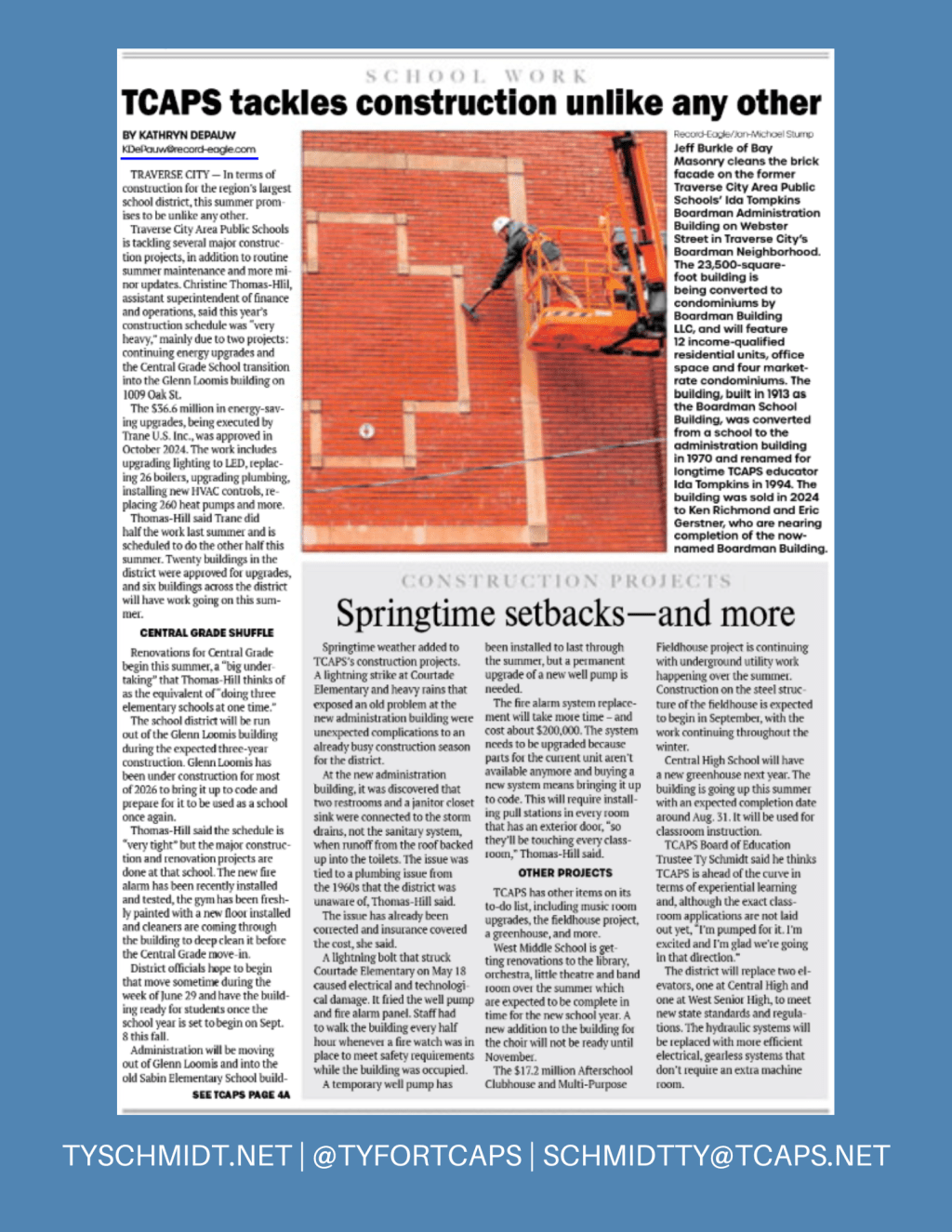
More Than Buildings: Investing in Student Success
Appreciate the Traverse City Record-Eagle for its coverage of the significant construction work happening across our district this summer. These projects are substantial. From major district-wide energy efficiency upgrades to the Central Grade School relocation and renovation work to ongoing traffic and safety improvements at West Senior High. They reflect long-term investments in the spaces…
-
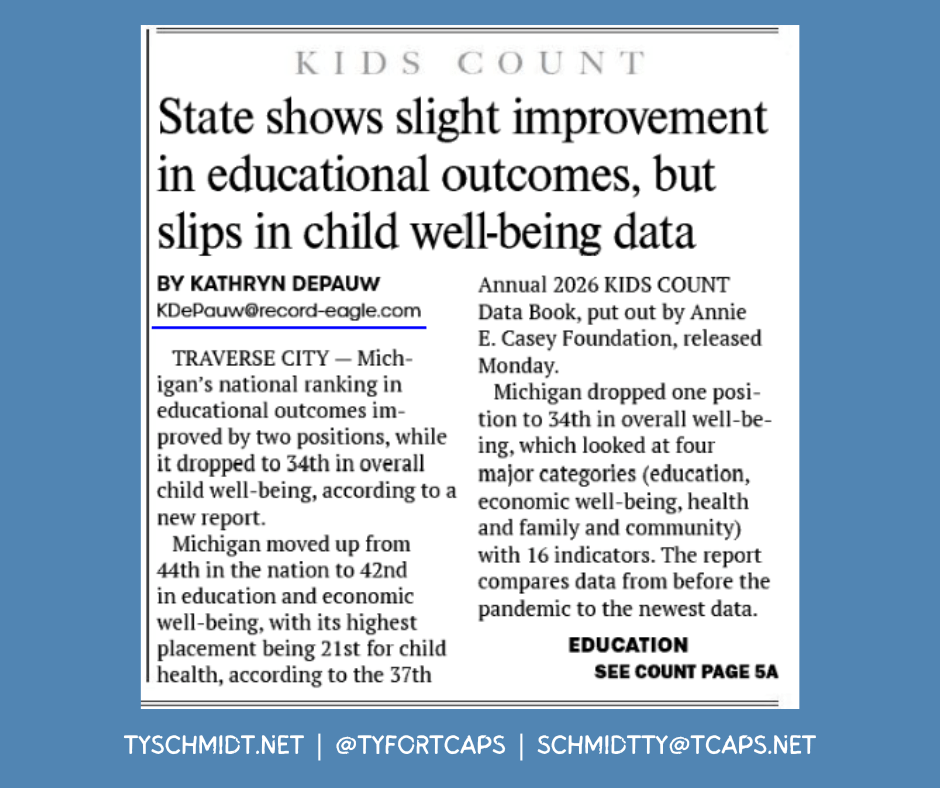
Looking Beyond the Classroom: Lessons from the Kids Count Report
I appreciate the Record-Eagle’s continued reporting on education and Kathryn’s work digging into the data behind this year’s KIDS COUNT report. One takeaway for me is that many of the issues affecting children and families are interconnected: • Reading proficiency • Math achievement • Early childhood opportunities • Physical and mental health • Housing stability…

