Grateful for this week’s Curriculum Committee discussion for sharing a clearer “how” behind Goal 1 (math and reading) of our 2030 Vision*.
As a school board member, my focus is on our mission/vision/values (our “why”) and our outcomes (our “what” and “how well”) – including improving our reading and math outcomes for all students and, importantly, narrowing long-standing opportunity gaps between our economically disadvantaged kids and their peers.
I’m often asked: “How are we going to do that?”
Yesterday’s discussion helped begin answering that question.
The committee reviewed a constellation of actions — from strengthening core instruction and expanding interventions, to coaching supports, staffing strategies, and some more outside-the-box thinking about time and support for students facing the greatest barriers.
I don’t know if these actions will move the needle or not — we’ll learn more when this year’s outcomes return in September, and ultimately our horizon is 2030.
But I appreciate that we are publicly engaging the “how,” including honest discussion about poverty, equity, and what systems change may require of us. That conversation matters.
The truth is, our reading and math outcomes** — and the persistent gaps within them — demand urgency and different thinking/acting.
Meaningful change will require focus, adaptability, and many people working together over a long time.
I’m encouraged to see this work being taken seriously and shared transparently with the community.
Here are the slides and meeting link for anyone who wants to take a closer look.
 Slides: https://bit.ly/3QIAaUa
 Meeting recording: https://bit.ly/4ug5xUD
*Our new 5-year strategic plan: https://bit.ly/tcaps-values
** Some of our most recent math/reading outcomes: https://bit.ly/4rfmNaV
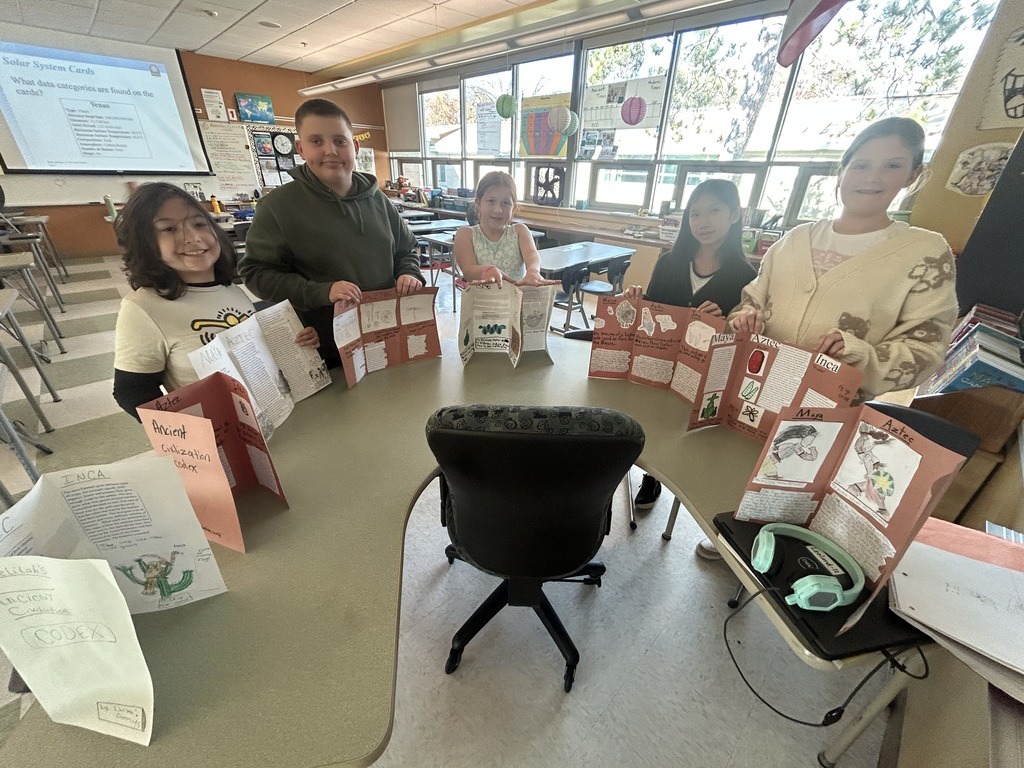
 ”The “Spiral” Effect: Building Background Knowledge Experts!
Have you ever wondered how to build background knowledge for students? CKLA builds background knowledge for reading comprehension.
In our Amplify CKLA curriculum, we use “spiraling”—revisiting big topics at a deeper level as students grow!
For example, TCAPS 5th graders learned about Maya, Aztec and Inca this year, but this isn’t the first time students will be exposed to these ideas.
In 1st Grade (The Foundation): Students first “meet” these cultures. They listened to stories about maize, stepped into the floating gardens of Tenochtitlan, and learned basic geography. 
In 5th Grade (The Deep Dive): Now, they are investigators. They aren’t just listening; they are analyzing primary sources, decoding Maya hieroglyphics, and comparing the sophisticated political systems of the three empires.
Connecting the Dots: This unit isn’t just about the past, it’s a bridge! It sets the stage for future units on the Age of Exploration and the American Revolution by giving students the “big picture” of who was here first.
By revisiting these big ideas, our students aren’t just memorizing facts for a test—they are building a permanent library of knowledge that makes them better readers and critical thinkers for life.”

 TY FOR TCAPS
Leave a comment