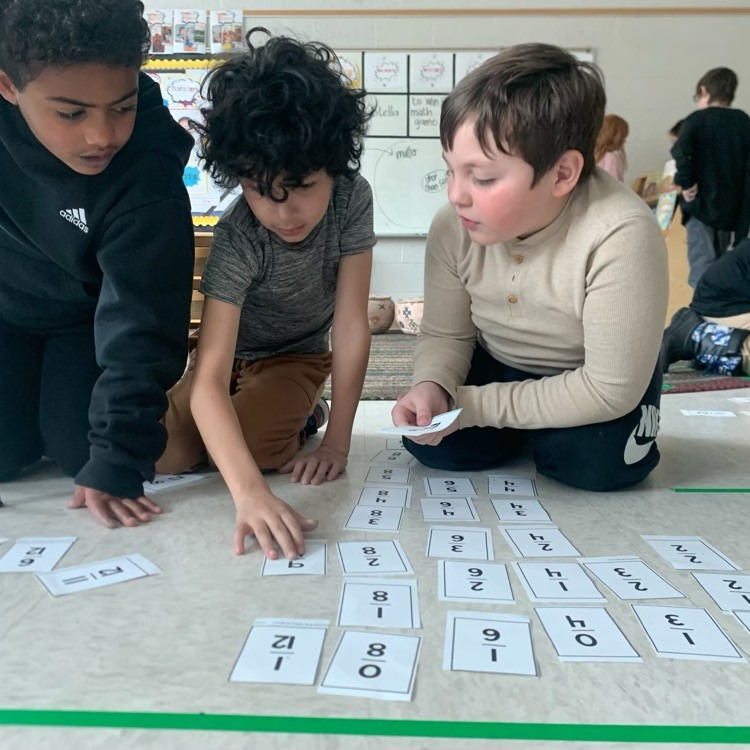
We have work to do in elementary math.
Our most recent (2025) 4th-grade outcomes* make that clear:
• All students: 44% proficient
• Economically disadvantaged students: 25%
• Non-economically disadvantaged students: 55%
What matters is how we respond.
I appreciate the Curriculum Committee’s discussion this week, digging into how we’re relaunching/refocusing K–5 math instruction. With three years remaining in our current elementary math curriculum, this is a deliberate reset – grounded in stronger, more consistent instructional practices across classrooms.
We also heard about system-wide steps to better support our young learners, including eliminating K–3 split-grade classrooms and reducing class sizes in the lower elementary grades.
We know our outcomes need to improve.
That’s the expectation – and our 2030 Vision** makes clear what success will look like.
As we head into 2026/27 budget discussions***, we’re focused on aligning our spending with the goals we’ve set and the outcomes we expect.
If you’re interested, here are Tuesday’s committee slides and full meeting discussion:
Slides: https://bit.ly/3QIAaUa
Meeting recording: https://bit.ly/4ug5xUD
* Our most recent 4th grade math outcomes: https://bit.ly/4rfmNaV
** Our new 5-year strategic plan: https://bit.ly/tcaps-values
*** Agenda for May 13th’s study session on the 26/27 budget: https://bit.ly/4w2O83o
“We are mathematicians. Mrs. Mapes’ class was on a roll working on making equivalent fractions today!”


Leave a Reply