When a child is struggling to read, the sooner we understand why, the sooner we can help.
That’s the idea behind Michigan’s new K–12 dyslexia law.
We had a really interesting discussion at last week’s Curriculum Committee meeting about what it will mean for our students and teachers.
One thing I appreciated about the discussion was how straightforward the goal really is: identify reading difficulties earlier, provide the right help, and make sure that help is working.
Picture a young student struggling to connect sounds with letters or read words fluently.
Rather than waiting for that student to fall further behind, schools will be expected to screen for specific reading difficulties, provide targeted instruction and intervention, regularly check the student’s progress, and adjust the support when needed.
And importantly, screening isn’t the same as diagnosing dyslexia.
A screening helps educators identify characteristics of dyslexia or other reading difficulties so they can respond earlier. It doesn’t automatically mean a child has dyslexia or needs an IEP.
The new requirements formally take effect in the 2027/28 school year, but our staff are already preparing for the transition.
At the Curriculum Committee meeting, staff shared plans to pilot a state-approved reading screener called mCLASS DIBELS 8th Edition during the second semester of this school year at Blair, Silver Lake, Central Grade and Long Lake elementary schools and East Middle School.
A screening can take just 4–8 minutes and helps educators see more specifically where a student may be struggling.
There’s another important part of this law, too: teachers need the tools to respond to what the screening tells them.
The law requires professional learning in structured literacy for educators who teach reading.
In simple terms, structured literacy means explicitly and systematically teaching students how sounds, letters and words work together to build strong readers.
Planning for that training is underway, too.
There’s a lot of detail behind this, but for our kids it comes down to four things:
• Notice sooner.
• Understand what’s getting in the way.
• Provide the right support.
• Check whether it’s working.
The earlier we can do that, the better opportunity we give every child to become a successful reader.
Learn more about Michigan’s dyslexia law: https://bit.ly/3X0AG2V
Watch the Curriculum Committee meeting discussion: https://bit.ly/4yIRV6g
Read the meeting presentation: https://bit.ly/4Bref6W
Learn more about our 2030 Vision & literacy goals: https://bit.ly/tcaps-values
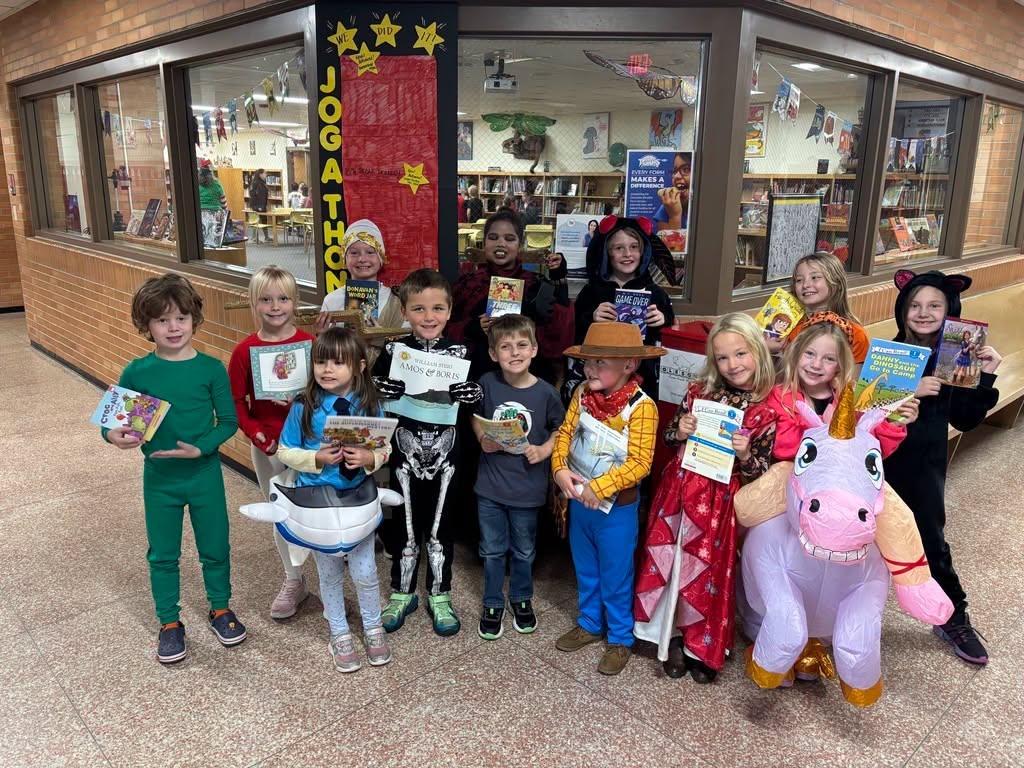
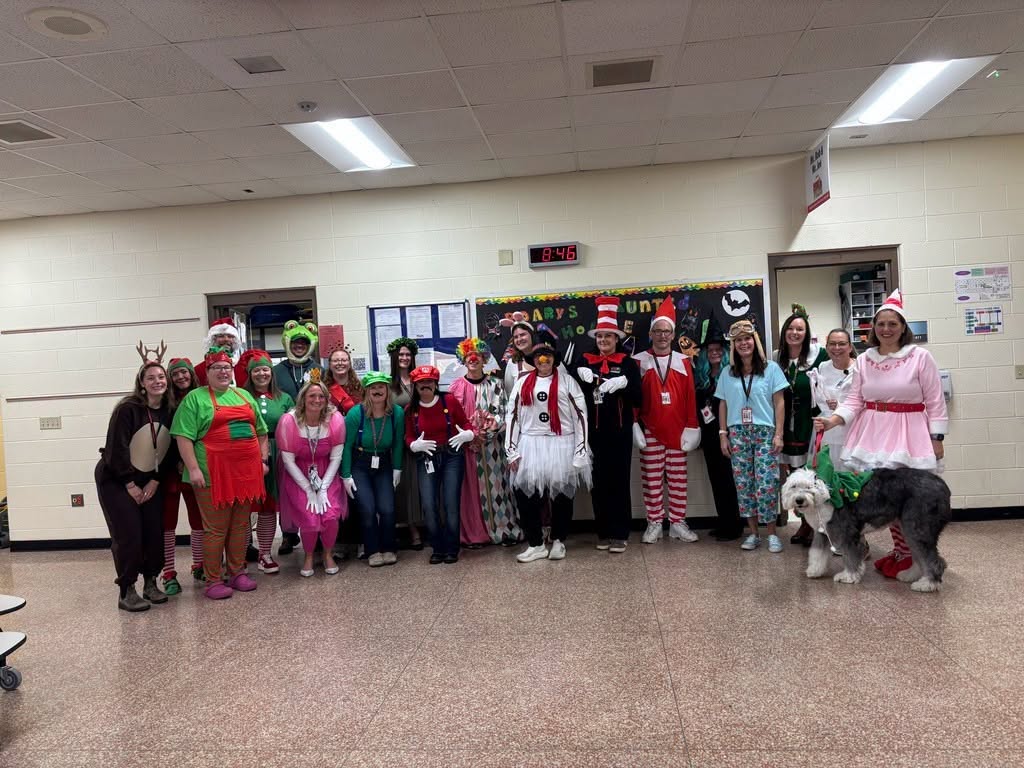
“Congratulations to this week’s spooky ROAR Model award winners! And check out the Halloween spirit of the Courtade staff!”
PC: Courtade Elementary School – TCAPS


Leave a Reply