The TCAPS Curriculum Committee meets to guide and oversee teaching and learning across the district.
These meetings bring together school board members, staff, and district leaders to review programs, monitor student progress, and discuss instructional strategies.
The Curriculum Committee Snapshot is a new monthly series to help increase awareness and understanding of how this work supports equitable instruction, builds foundational knowledge, celebrates student and staff achievements, and advances the district’s new 2030 Vision.
Why This Meeting Matters
At the February 24 meeting, the Curriculum Committee focused on a central question:
How do we strengthen learning by partnering with families and community, using technology wisely, and expanding student opportunities?
As student needs evolve and learning environments change, we are working to ensure that innovation, access, and relationships remain grounded in strong instructional practice and community trust.
The committee reviewed updates spanning curriculum, family engagement, and instructional technology across elementary, middle, and high school.
What We Discussed
Expanding Learning Opportunities
- Updates to the high school course catalog, including new science, world language, and financial literacy options.
- Expanded access to post-secondary experiences, early college, and dual enrollment through partnerships with Northwestern Michigan College and Career Tech Center programs.
- Continued evaluation of virtual learning platforms to ensure academic rigor and accessibility.
Family and Community Partnerships
- Strategies to move from “open-door” schools toward true “partnership schools.”
- Multilingual access to coursework for families whose first language is not English.
- Regular academic progress updates and improved communication tools.
- Low-stakes relationship-building events such as coffee hours, family breakfasts, and onboarding meetings for new families.
Instructional Technology Pilots
- Review of AI-supported tools designed to improve feedback and learning:
- Brisk Teaching
- Class Companion
- Formative
- Focus on using technology to strengthen teaching and learning—not replace professional judgment.
- Emphasis on privacy, equity, and consistency across buildings.
What We’re Seeing
What’s working
- Students receiving faster, more specific feedback on writing and assessments.
- Increased student persistence and willingness to revise their work.
- Strong participation in family engagement events.
- Growing community involvement in learning and mentoring experiences.
What’s challenging
- Ensuring all families can access engagement opportunities regardless of language, transportation, or work schedules.
- Managing the staffing and coordination needed for volunteer and partnership programs.
- Balancing innovation with instructional integrity.
How we’re responding
- Systematizing technology pilots before scaling.
- Expanding multilingual and transportation supports.
- Exploring funding and staffing models to support sustained engagement.
- Using survey and participation data to guide next steps.
How This Supports Students
- Approaching innovation and engagement as tools for equity—not add-ons.
- By combining strong curriculum, responsive technology, and intentional family partnerships, we are working to remove barriers to learning and ensure every student has access to opportunity.
- When families are informed, students receive timely feedback, and schools are connected to their communities, learning becomes more durable, motivating, and meaningful.
Highlights by Grade Band
Traverse Heights Elementary: Building Trust with Families
- Mandatory welcome meetings with principal for new families.
- “Donuts and Grown-ups” and monthly coffee hours.
- Title I-funded academic family nights.
- Questions regarding community-supported tutoring and enrichment.
Middle School: Connecting Learning to Community
- Art students creating digital portraits for the Cherryland Humane Society.
- Science simulations exploring real-world health topics.
- Career and technical pathways linked to high school programs.
Central High School: Partnership in Practice
- “Loft @ Lunch” volunteer program supporting neurodivergent students.
- Sideline Sponsors and Trojan Legacy Endowment reducing financial barriers.
- Mock interviews and senior panels led by community professionals.
- Robotics teams connecting coursework to industry expertise.
Strategic Plan Connection
Goal #1: Student Achievement
- Expanded course access, stronger feedback systems, and early college pathways support deeper learning and readiness.
Goal #2: School Connectedness and Student Wellbeing
- Family partnerships and inclusive spaces strengthen belonging and engagement.
Goal #5: High-Quality Staffing
- Technology pilots and instructional coaching support continuous improvement.
What Comes Next
The Curriculum Committee will continue:
- Evaluating AI pilot data and teacher/student feedback.
- Reviewing course catalog updates.
- Monitoring family engagement outcomes.
- Exploring new partnerships, budget allocations and funding models.
- Preparing recommendations for future implementation.
Want to Learn More?
Check out the meeting’s presentation.
Curriculum Committee meetings are open to the public and streamed/recorded online.
Agendas and meeting packets are available on the TCAPS website under Board of Education → Board & Committee Agendas.
Read our 2030 Vision strategic plan goals.
Read previous Curriculum Committee Snapshots.
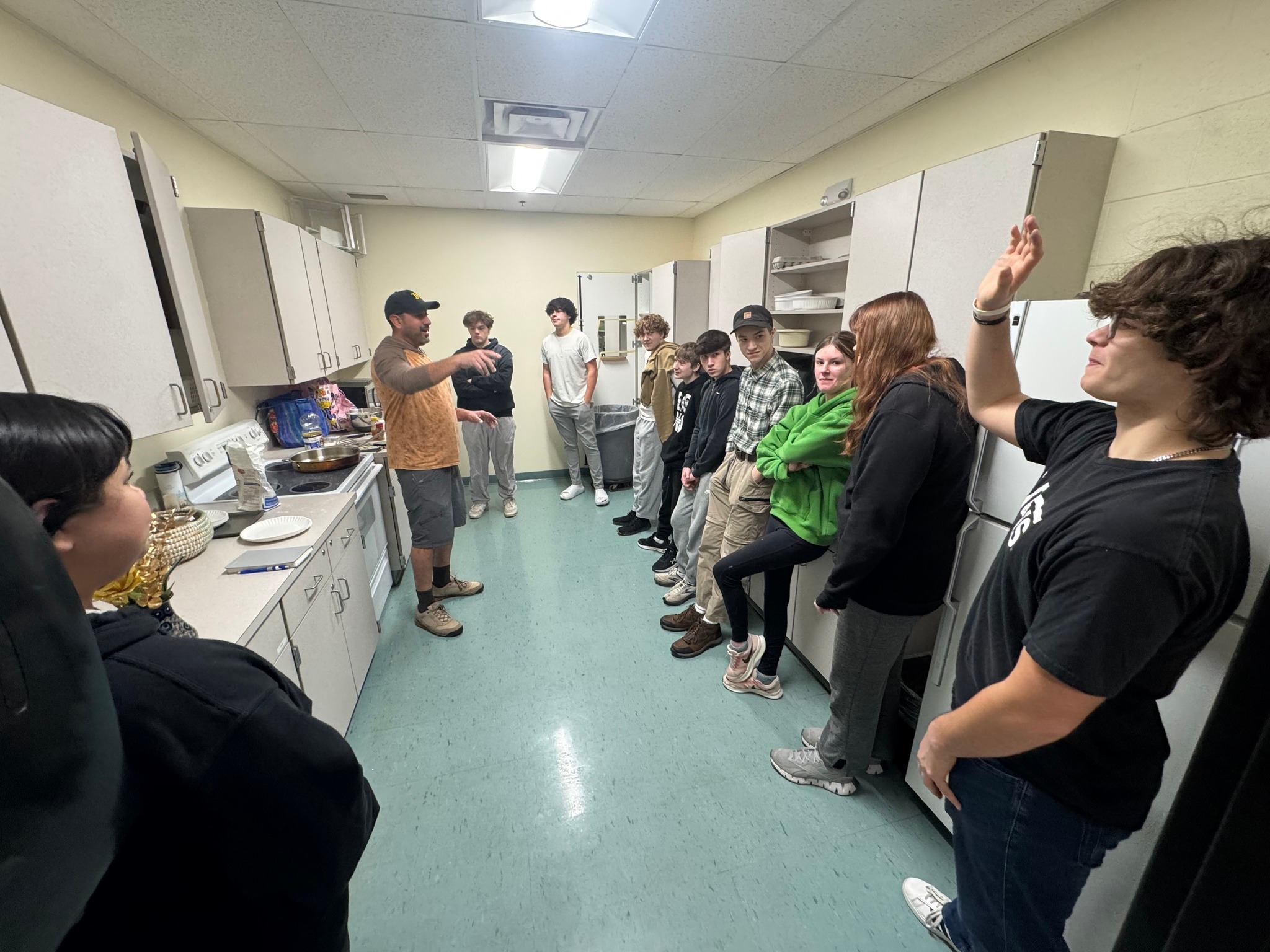
“Our TIE 10 students took a deep dive into Indigenous culture yesterday, and let’s just say it was a “delicious” success! We moved beyond the textbooks to get hands-on with the traditions and stories that have shaped this land for centuries.
The Fry Bread Challenge🥖
The kitchen classroom smelled amazing as students tried their hand at making Fry Bread. More than just a tasty snack, we learned about the history behind this staple—how it became a symbol of resilience and survival for many Indigenous communities.
Pro Tip: Apparently, the secret to the perfect fluff is all in the “gentle fold!”
Stepping into the Past (and Present)🖼️
After the kitchen session, students headed to the NMC Dennos Museum. They were blown away by the powerful contemporary art from Inuit creators. It was a beautiful reminder that these cultures are vibrant and evolving.
Way to go, Trojans!”
PC: Traverse City West Middle School – TCAPS

 TY FOR TCAPS
Leave a comment