
The TCAPS Curriculum Committee meets to guide and oversee teaching and learning across the district.
These meetings bring together school board members, staff, and district leaders to review programs, monitor student progress, and discuss instructional strategies.
The Curriculum Committee Snapshot is a new monthly series to help increase awareness and understanding of how this work supports equitable instruction, builds foundational knowledge, celebrates student and staff achievements, and advances the district’s 2030 Vision.
Why This Meeting Matters
At this January 6th meeting, the Curriculum Committee reviewed a mid-year update on the district’s implementation of the Core Knowledge Language Arts (CKLA) curriculum.
The discussion focused on how research-based literacy instruction, teacher learning, and coherent curriculum design work together to improve student achievement and expand opportunity for every learner.
What We Discussed
CKLA Year 1 Implementation: The first year is intentionally focused on adult learning and implementation integrity, grounded in the Science of Reading to prevent future reading difficulties.
Teacher Feedback: Staff complete perception surveys six times per year. In December, 83.5% of respondents reported high confidence and ease of use with the curriculum.
Pacing Supports: Teachers identified pacing as the primary challenge. In response, the district developed “Trim, Don’t Cut” guidance to preserve rigor and core content while allowing instructional flexibility.
Student Engagement: Literacy engagement is currently at 81.6%, with teachers using local unit assessments for immediate feedback while high-stakes data stabilizes over the next two to three years.
District Celebrations: The committee also recognized student achievements, innovative programs, and professional milestones across TCAPS.
What We’re Seeing
What’s working: Growing teacher confidence, strong student engagement, and consistent use of local assessment data to inform instruction.
What’s challenging: The daily rigor of the curriculum and managing pacing within instructional time.
How we’re responding: Ongoing professional learning, targeted guidance like “Trim, Don’t Cut,” and an emphasis on celebrating growth—because, as noted during the meeting, “what gets recognized gets repeated.”
How This Supports Students
A central theme of the meeting was equitable instruction through shared background knowledge. By ensuring all students—regardless of prior experience—are exposed to rich, complex content, the district is working to level access to the knowledge most often required for reading comprehension and success on high-stakes assessments. Reading is framed not just as decoding words, but as making meaning.
Spiraled Background Knowledge: The “Mental Velcro” Effect
The committee discussed how CKLA intentionally builds and revisits knowledge within and across grade levels.
Within grades: Topics are introduced and revisited over the course of the year (for example, kindergarten students learn about plants before exploring farming and its role in Native American cultures).
Across grades: Topics return with increasing complexity, such as astronomy in grades 1 and 3, or U.S. history from the War of 1812 in grade 2 to the American Revolution in grade 4.
This approach acts as “mental velcro,” allowing new learning to stick to prior knowledge. Benefits include reduced cognitive load, stronger retention in long-term memory, better preparation for SAT-style reading passages, and fewer foundational gaps by high school. One analogy used during the meeting described this work as building a scaffold—so complex secondary content doesn’t rest on thin air.
Science of Learning & Mastery
The committee emphasized that mastery is built through repeat exposure over time. Learning is strengthened by retrieval practice—creating space between learning, allowing for some forgetting, and then practicing getting information out, not just putting it in. This approach reflects current cognitive science and supports durable, transferable learning.
2030 Vision: The Strategic Plan Connection
Goal #1: Improve Student Achievement
The CKLA curriculum supports a coherent, cumulative learning experience, with shared background knowledge identified as a strong predictor of reading comprehension and long-term academic success.
Goal #5: Develop Staff Through Meaningful Professional Learning
The committee reaffirmed that the greatest influence on student learning is the professional expertise of teachers. This work is supported through deliberate practice, feedback, and learning about cognitive load, as well as retention supports like Teach Michigan stipends and National Board Certification.
The Strategic Plan was described as the compass, the curriculum as the ship, and professional learning as the training that helps every rower move together.
District Celebrations
West Senior High School: Highest honors at the Model United Nations competition in Lansing
Central High School: Recognized as a “Bold Innovator” by the Michigan Growth Office
Professional Achievement: Sarah Monius (Blair Elementary) earned National Board Certification
Programs Highlighted: TAG registration now open (103 students registered), West Middle School robotics, and cross-curricular math/Spanish projects at East Middle School
What Comes Next
The committee will continue monitoring CKLA implementation, teacher feedback, and student learning indicators as the district moves into the second half of the school year and prepares for Year 2 of implementation.
Want to Learn More?
Check out the meeting’s presentation
Curriculum Committee meetings are open to the public and streamed/recorded online.
Agendas and meeting packets are available on the TCAPS website under Board of Education → Board & Committee Agendas.
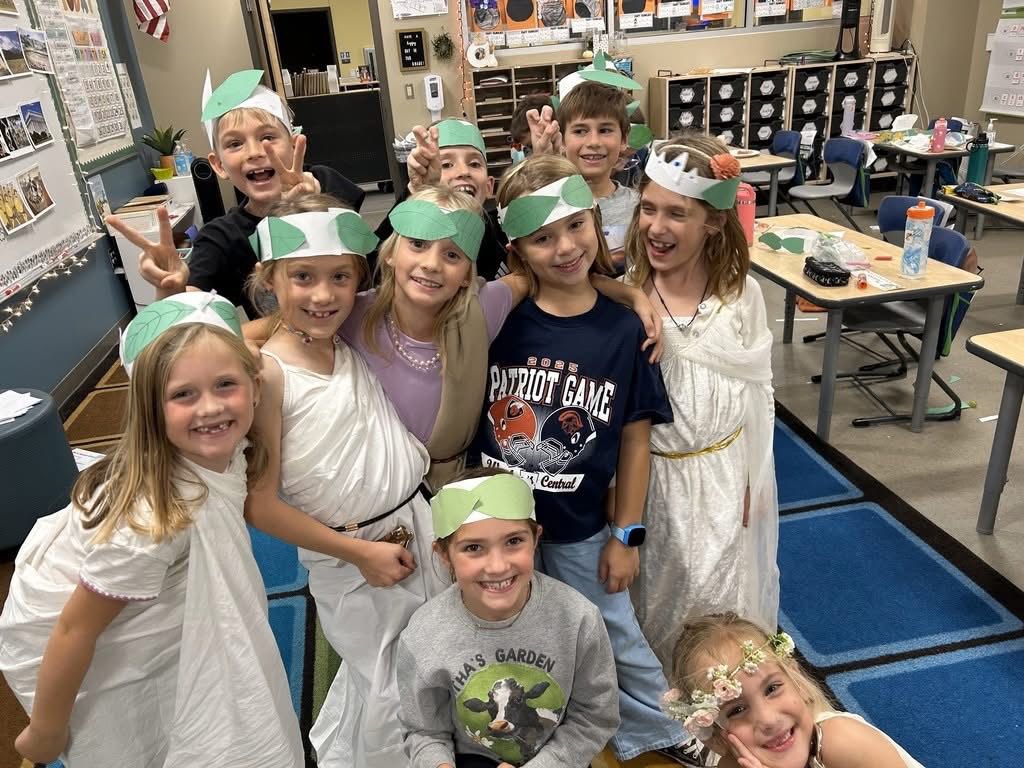
“🌟 Beyond Sounding Out: CKLA Knowledge Units Build Confident Readers! 📚
While learning to sound out words is essential, did you know that CKLA Knowledge Units teach your child about the world (like history and science) and grow their vocabulary by introducing important, academic words? This strong foundation of knowledge and words is how they move beyond simply sounding out letters to actually understanding the meaning of what they read, making them skilled and confident readers.
CKLA Connected—check out the learning adventures happening right now!
Kindergarten: Underdogs and Heroes: Stories
First Grade: Common Threads: Different Lands, Similar Stories
Second Grade: Legends and Heroes: Greek Myths
Third Grade: Rhythm and Rhyme: Poetry
Fourth Grade: Meaning and Metaphor: Poetry
Fifth Grade: Visions in Verse: Poetry”
Photo Credit: TCAPS

 TY FOR TCAPS
Leave a comment